
The Influence of Environment on Game Selection
The ambiance of a casino plays a crucial role in shaping player decisions. Factors such as lighting, sounds, and spatial design create an emotional setting that can influence a player’s choice of games. For instance, bright lights and upbeat music can evoke excitement and lead players to opt for more dynamic games, like slots or roulette, which promise immediate gratification. Interestingly, some players may turn to non gamstop betting as an alternative, seeking different forms of entertainment away from traditional casinos.
Additionally, the layout of games within a casino can direct player behavior. Games placed near entrances or high-traffic areas may attract players simply due to visibility. The psychology of proximity suggests that players are more likely to engage with games they encounter first, often overlooking others that may better suit their preferences or skill levels.
The Role of Player Personality in Game Preference
Player personality significantly impacts gambling choices. Research shows that more risk-averse individuals tend to favor games that require skill and strategy, such as poker, where they can leverage their abilities to influence outcomes. In contrast, thrill-seekers might gravitate toward luck-based games like slots, where the unpredictability heightens their experience.
Furthermore, different personality traits, such as extroversion or introversion, can influence whether a player prefers solitary games or those involving social interaction. A sociable player might enjoy the communal atmosphere of table games, while a more reserved player could find comfort in playing alone at a slot machine, allowing them to engage at their own pace.
Cognitive Biases Affecting Gambling Decisions
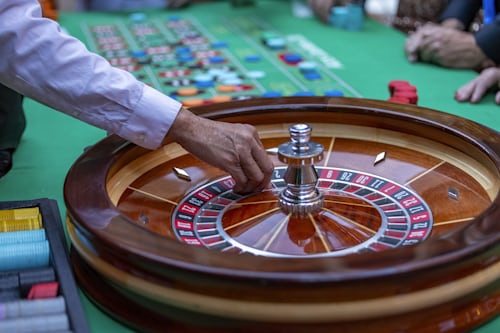
Cognitive biases play a vital role in how players make decisions in a casino setting. One prominent bias is the illusion of control, where players believe they can influence the outcome of luck-based games. This misconception can lead to repeated gambling on games like dice or roulette, where randomness governs the results, yet players feel a false sense of mastery over their choices.
Another impactful bias is the gambler’s fallacy, where individuals believe past outcomes affect future results. For instance, if a slot machine hasn’t paid out in a while, players might wrongly assume that a win is due. Such biases create a cycle of continuous gambling, often leading to compulsive behavior as players chase perceived losses or future wins.
The Emotional Experience of Gambling
Gambling is not just a game of chance; it’s an emotional experience. Players often seek a rush of adrenaline or a sense of escape from their everyday lives. The highs of winning can trigger feelings of joy and excitement, while losses can lead to disappointment and frustration. This emotional rollercoaster affects how players choose their games, as they gravitate toward those that maximize these feelings.
Moreover, the social aspect of gambling can enhance the emotional experience. Engaging with others, sharing in victories, and even commiserating over losses can create bonds between players. This communal experience may draw individuals to specific games where social interaction is encouraged, such as blackjack or poker, impacting their overall gambling choices.
Support and Resources for Responsible Gambling
For those who enjoy casino games, it is essential to approach gambling responsibly. Understanding the psychological factors influencing choices can empower players to make informed decisions. Websites and organizations dedicated to providing resources for responsible gambling are invaluable, offering insights into how to maintain healthy habits and recognize when gambling may become problematic.
Recognizing that gambling can lead to both positive and negative experiences highlights the importance of balance. Resources available online provide support for individuals seeking to navigate the complexities of gambling, ensuring that enjoyment does not come at the cost of personal well-being or financial stability.