
Understanding the psychological tricks that keep gamblers coming back for more
The Allure of Near Wins
One of the most powerful psychological tricks in gambling is the concept of near wins. This phenomenon occurs when a player comes close to winning but ultimately falls short. For instance, in slot machines, players may see symbols that almost line up for a jackpot, creating a false sense of hope. This triggers a release of dopamine in the brain, similar to what one might feel when actually winning, leading to a craving for more play. Games like Aviafly 2 real money game exemplify this kind of excitement, keeping players engaged with high stakes and thrill.
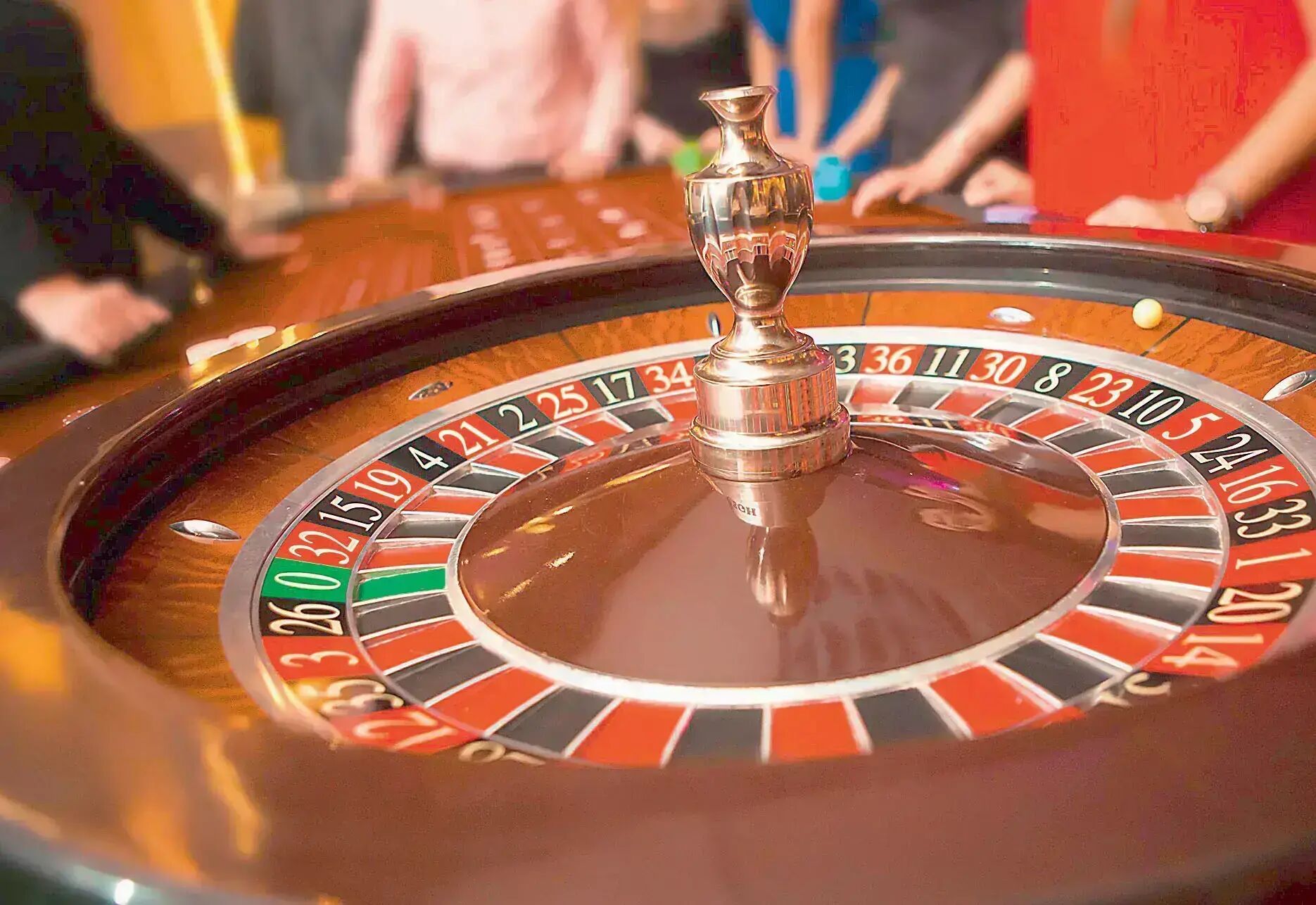
Near wins can foster an addictive cycle, as players often believe that a big win is just around the corner. This belief can lead to extended gambling sessions, where the desire to chase that elusive win overshadows the reality of losses. Understanding this psychological trick is crucial for both players and those who wish to help them manage their gambling behaviors.
Variable Reward Schedules
Gamblers are often kept engaged by variable reward schedules, where wins occur unpredictably. This principle, rooted in behavioral psychology, suggests that when rewards are given at unpredictable intervals, it reinforces the behavior leading to the reward. In gambling, this means that players might win a small amount sporadically, which keeps them returning in hopes of hitting a larger jackpot.
This unpredictability is key to maintaining excitement and prolonging gambling sessions. Players become conditioned to expect rewards, leading to a cycle of anticipation that is difficult to break. As a result, they may spend more time and money trying to unlock the next win, reinforcing their gambling habits.
The Role of Social Proof
Social proof significantly influences gambling behavior, as players often look to others for cues on how to engage. Seeing others win, whether in a physical casino or through online platforms, can create a sense of excitement and desire to participate. This phenomenon is further amplified in online environments where testimonials and live feeds showcase winners.
The social aspect can create a sense of community among gamblers, further enhancing their connection to the activity. Whether through sharing experiences on forums or observing winners in real-time, the validation from others can encourage continued play, making it harder for individuals to step back from their gambling habits.
Emotional Escapism
Gambling often serves as a form of emotional escapism, allowing individuals to temporarily escape from stressors in their lives. Engaging in gambling can provide a thrill that distracts players from everyday problems, offering a momentary relief from anxiety or boredom. This emotional connection can be powerful, making it difficult for players to resist the urge to return to the gambling environment.
The allure of gambling as an escape can be particularly strong for those facing significant life challenges. Unfortunately, this can lead to a cycle where individuals use gambling as a coping mechanism, which can exacerbate their problems over time. Understanding this dynamic is essential for recognizing the potential for unhealthy gambling habits to develop.

Exploring More About Responsible Gambling
The exploration of psychological tricks in gambling is not just about understanding addiction but also about promoting responsible gambling practices. Many websites now emphasize the importance of education and awareness in preventing problem gambling. They offer resources to help individuals recognize their gambling behaviors and take proactive steps toward moderation.
By providing tools for self-assessment and resources for support, these platforms aim to create a safer gambling environment. Understanding the psychological tricks at play can empower individuals to make informed choices, allowing them to enjoy gambling as a form of entertainment rather than letting it control their lives. Awareness and education are key in mitigating the psychological influences that keep gamblers returning for more.
Leave a Reply